

Indonesia Seeks to Strengthen Domestic Steel Industry
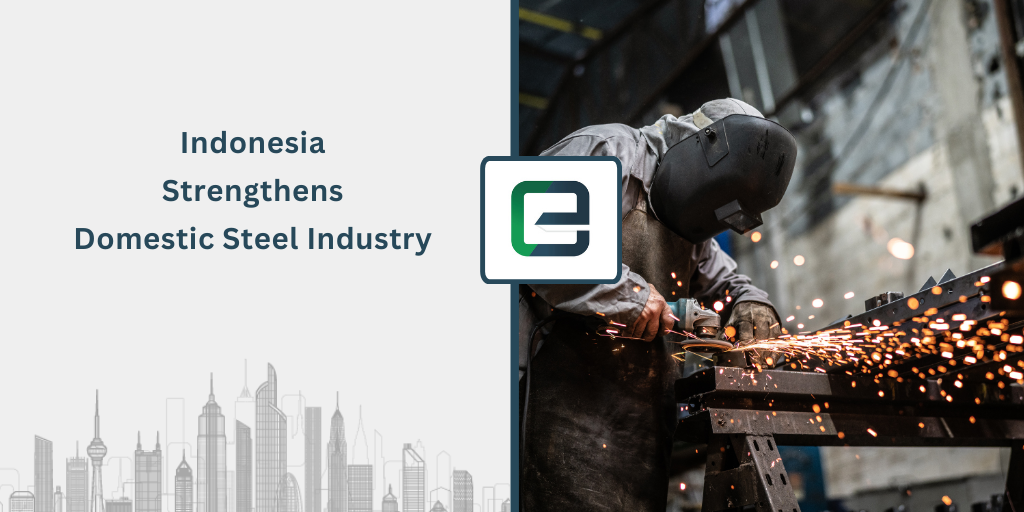
Indonesia is stepping up efforts to strengthen its domestic steel industry, with the Ministry of Industry rolling out measures to reduce heavy dependence on imports and attract new investment. Although Indonesia produced 18 million tons of steel in 2024, ranking 14th globally, more than 55% of national demand is still met through imports, mainly from China. This has left many local producers operating at an average utilisation rate of just 50–53%, with significant idle capacity.
Indonesia Strengthens Steel Sector with Standards, Incentives and Tariffs
Deputy Minister of Industry Faisol Riza said the government is prioritising improvements across the steel ecosystem. Several incentives are being implemented, from reinforcing product standards to encouraging environmentally friendly production and expanding into higher-value segments like automotive, shipbuilding, and heavy equipment. Most local producers remain focused on construction-grade steel, limiting their ability to compete in sectors that require specialised or alloy steel.
To support the domestic market, the government has introduced several policies, including mandatory compliance with 29 Indonesian National Standards (SNI), import restrictions to encourage local usage, and “smart regulation” measures to improve investment conditions. Anti-dumping duties have also been imposed on steel products from countries such as China, India, Thailand, Taiwan, and Russia to address unfair trade practices.
Indonesia Boosts Local Production as Investor Interest Climbs
The Ministry of Industry reported rising foreign investor interest, with companies from Europe, China, and Vietnam exploring factory relocation to Indonesia. However, investors wanting direct access to the domestic market are expected to build local plants rather than rely solely on imports.
Beyond steel, the Ministry is also supporting broader efforts to reduce import dependency across industries such as textiles, electronics, ceramics, and footwear. Local industries often operate below full capacity due to concerns that the market cannot absorb their production, reinforcing the need for stronger domestic product uptake.
Indonesia’s Industrial Reforms Signal New Investment Opportunities
The Ministry of Industry, together with the Ministry of Investment and Downstreaming and the Ministry of Finance, continues to coordinate solutions to improve domestic steel absorption and build a more resilient national industrial base.
If your business operates in Indonesia’s manufacturing or industrial sectors, now is the time to ensure compliance, optimise supply chains, and position yourself for incoming investment shifts.
Contact 3E Accounting to Set Up Your Business
3E Accounting can guide you through regulatory requirements, market entry, and investment structures to support your growth in Indonesia’s evolving industrial landscape.