




Starting a Bookstore Business in Indonesia: A Complete Roadmap for Success
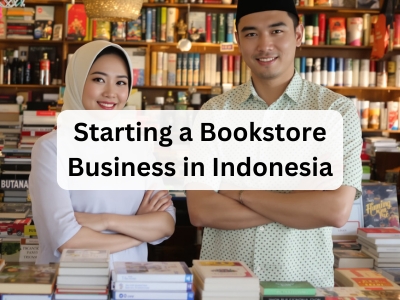 The bookstore business in Indonesia is witnessing a resurgence as reading culture grows among the population. Recent developments indicate a shift towards both physical and online bookstores, catering to the diverse interests of Indonesian readers. According to recent studies, the book market in Indonesia is projected to grow by over 7% annually, highlighting significant opportunities for new entrants.
Why Starting a Bookstore Business in Indonesia is a Smart Move
Indonesia’s bookstore industry spans retail for printed books (education, children’s, fiction, religion, business), stationery, gifts, and sometimes cafés and community spaces, sold via physical stores, campus pop-ups, and online channels. Demand is supported by a large student population, continued growth in self-improvement and religious reading, and lifestyle shifts that make bookstores attractive as “third places” for studying, working, and events beyond purely buying books. This industry is thriving in Indonesia because curated selections and local-language titles create loyal audiences, omnichannel selling and pre-orders expand reach, and experiential formats (events, book clubs, cafés) increase repeat visits and higher basket sizes.
Reasons to Start This Business
A bookstore can build resilient revenue by combining book sales with community-led experiences and complementary product lines. Key reasons include:
- Market demand and growth potential: Strong education and exam-prep demand, plus growing interest in children’s books and personal development, creates recurring purchases; growth can come from school partnerships, online pre-orders, subscription boxes, and niche curation (comics, indie publishers, religious titles).
- Government support and incentives: MSME and creative-economy programs, local literacy and cultural initiatives, and participation in book fairs can support training, promotion, and broader market access for bookstore owners and local publishers.
- Economic factors and consumer behavior trends: Consumers increasingly discover books via TikTok/Instagram (“BookTok”-style trends), prefer bundles and discounts, and value convenience such as fast delivery, click-and-collect, and cashless payments—making omnichannel operations a clear advantage.
- Success patterns in the industry: Many Indonesian bookstores have remained competitive by evolving into lifestyle destinations (bookstore + café + events), championing local authors and indie titles, and building strong online communities that reliably drive launches and repeat sales.
Why You Should Start a Bookstore Business in Indonesia
Indonesia serves as a vibrant market for bookstores, with a large population that values education and literature. The country’s diverse demographics and expanding middle class present numerous opportunities for entrepreneurs. Successful examples of bookstores, such as Gramedia and Periplus, illustrate the viability of this business model in urban and suburban areas. For more insights, refer to the guide to start a business in Indonesia.
Detailed Steps to Establish Your Bookstore Business
1. Pre-establishment Phase
Conduct thorough market research to understand local consumer preferences and reading habits. Analyze competitors within the Indonesian market to identify gaps and opportunities. Choosing the right location is crucial; consider areas with high foot traffic, such as near schools, universities, and shopping centers.
2. Business Setup
Select the appropriate legal structure for your business, such as a sole proprietorship or a limited liability company (PT). The registration process involves specific documentation, including business licenses and tax identification numbers. Ensure that your bookstore complies with local regulations and zoning laws. For more detailed information, check out the complete Indonesia company registration guide.
3. Operational Planning
Allocate resources wisely, focusing on hiring knowledgeable staff who are passionate about books and customer service. Familiarize yourself with Indonesian labor laws to ensure compliance. Implement inventory management systems to track stock levels and optimize product offerings based on consumer demand. For assistance with financial management, consider our accounting services.
4. Marketing Strategy
Develop a marketing strategy that resonates with local consumers, utilizing social media and community engagement to promote your bookstore. Consider hosting book readings, author signings, and community events to attract customers. Collaborate with local schools and educational institutions to offer discounts and special promotions.
Local Regulations and Licensing
To operate a bookstore business in Indonesia, you must obtain various licenses and permits, including a Business Registration Certificate (SIUP) and a Tax Identification Number (NPWP). Compliance with industry-specific regulations, such as copyright laws and safety standards, is essential. Key licensing requirements include:
- Business Registration Certificate (SIUP)
- Tax Identification Number (NPWP)
- Local Municipality Permits
- Copyright Compliance Documentation
Challenges and Considerations
Entering the bookstore market in Indonesia comes with challenges, including intense competition from both physical and online retailers. Cultural considerations can impact product offerings, making it vital to understand local tastes and preferences. Potential risks include fluctuations in consumer spending and regulatory changes. To navigate these challenges, consider the following tips:
- Conduct regular market analysis to stay ahead of trends.
- Build relationships with local publishers and authors for unique offerings.
- Invest in marketing strategies that emphasize local relevance and community engagement.
- Stay informed about regulatory changes affecting the industry.
Financial Planning Aspects
Understanding the financial landscape is crucial for your bookstore business. Initial investment requirements can vary widely, depending on your business model and scale. Consider funding options such as bank loans, government grants, or crowdfunding. Key financial aspects to address include:
- Initial investment and setup costs
- Operating costs, including inventory and staff
- Revenue projections based on market analysis
- Tax considerations and compliance with local tax laws
Conclusion
The bookstore business in Indonesia presents a significant opportunity for aspiring entrepreneurs. Key success factors include understanding local consumer behavior, establishing strong supplier relationships, and navigating regulatory requirements effectively. As the industry continues to evolve, those willing to adapt and innovate will find ample opportunities for growth.
Ready to Start Your Bookstore Business?
If you’re ready to embark on this exciting journey, our team at 3E Accounting Indonesia is here to help. We offer consultation and support services tailored to your business needs.
Contact us today to explore how we can assist you in establishing a successful bookstore business in Indonesia. Additionally, for those interested in enhancing their business operations, consider exploring AI-powered human resource management software or AI-driven accounting software to streamline processes and improve efficiency.