




Starting a Fast Food Franchise in Indonesia: A Complete Roadmap for Success
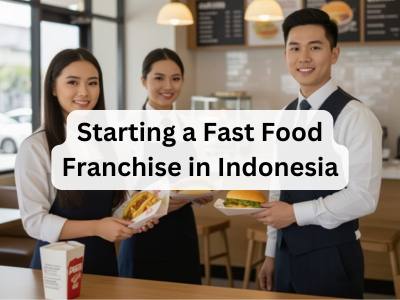 The fast food franchise market in Indonesia is experiencing significant growth, driven by urbanization and changing consumer preferences. Recent developments highlight a surge in demand for quick-service restaurants, particularly among the younger population. According to a recent report, the fast food industry in Indonesia is projected to grow by 10% annually over the next five years, indicating a robust market potential.
Why Starting a Fast Food Franchise in Indonesia is a Smart Move
Indonesia’s fast food franchise industry includes global and local quick-service restaurant (QSR) brands—fried chicken, burgers, pizza, noodles, rice meals, and beverage-led concepts—operating across malls, standalone outlets, rest areas, and delivery-first kitchens. Demand is growing as urbanization increases, work-and-school schedules get busier, and consumers prioritize speed, consistency, and familiar flavors while relying more on delivery apps and cashless payments. This industry is thriving in Indonesia because the customer base is large and young, franchising enables rapid expansion with standardized systems, and successful brands can localize menus and pricing to fit diverse regional tastes.
Reasons to Start This Business
A fast food franchise can reduce early-stage trial-and-error by giving operators a proven menu, brand recognition, and operating playbook. Key reasons include:
- Market demand and growth potential: QSR serves high-frequency occasions (lunch, dinner, snacking) and scales well into tier-2 and tier-3 cities, with additional growth from drive-thru formats, cloud kitchens, and corporate/school catering.
- Government support and incentives: MSME and investment facilitation programs, local licensing support, and workforce training initiatives can improve the setup process, while compliance readiness (food safety, halal, and labor standards) strengthens long-term viability.
- Economic factors and consumer behavior trends: Consumers are highly responsive to value bundles, limited-time offers, and loyalty programs, and they increasingly choose brands based on convenience, consistent taste, and delivery reliability.
- Success patterns in the industry: Many fast food brands in Indonesia have expanded nationally by standardizing SOPs, building robust supply chains, and partnering with franchisees for prime locations—demonstrating repeatable unit economics when operations are executed well.
Why You Should Start a Fast Food Franchise in Indonesia
Indonesia serves as a regional hub for many businesses, particularly in the food sector. The country boasts a young and diverse population, providing a vast customer base for fast food franchises. With improving infrastructure and a favorable economic environment, entrepreneurs have a unique opportunity to thrive in this vibrant market.
Detailed Steps to Establish Your Fast Food Franchise
1. Pre-establishment Phase
Conducting thorough market research is essential to understand local consumer behavior and preferences. Analyze competitors within the Indonesian fast food market and choose a franchise model that aligns with local tastes. Additionally, determining the ideal location is crucial, as it can significantly impact your business’s success.
2. Business Setup
Choosing the right legal structure for your franchise is vital. In Indonesia, options include sole proprietorships or limited liability companies (PT). The registration process requires specific documentation, including business licenses and tax identification numbers. For assistance with Indonesia company incorporation services, consider reaching out to professionals who specialize in company registration services in Indonesia.
3. Operational Planning
Effective operational planning involves resource allocation and staff hiring processes that comply with Indonesian labor laws. Adopting technology suited for the local market can streamline operations, while implementing quality control measures ensures customer satisfaction. Developing standard operating procedures (SOPs) tailored to local regulations will help maintain consistent service quality.
4. Marketing and Branding Strategies
Focus on branding strategies that resonate with Indonesian consumers. Utilize digital marketing tailored to local platforms and develop customer acquisition strategies that engage your target audience. Consider partnership opportunities with local businesses to enhance visibility and credibility in the community. Establishing a strong online presence through social media and local channels is also crucial for attracting customers.
Local Regulations and Licensing
Starting a fast food franchise in Indonesia requires various licenses and permits. Compliance with industry-specific regulations and safety standards is mandatory. Key regulatory needs include:
- Business licenses from local authorities.
- Food safety permits from health departments.
- Tax registration and compliance documentation.
- Employment permits for foreign workers, if applicable.
For a comprehensive overview, refer to the Indonesia company registration guide.
Challenges and Considerations
Common challenges in the fast food industry include intense market competition and resource management. Cultural considerations, such as dietary preferences and local tastes, can also pose challenges for new entrants. Risks such as foreign ownership restrictions and technology adoption must be carefully navigated. To overcome these challenges, businesses should engage with local communities and adapt their offerings accordingly.
- Conduct regular market analysis to stay ahead of competitors.
- Invest in training staff to ensure high service standards.
- Utilize local suppliers to enhance community ties and reduce costs.
- Stay informed about regulatory changes that could impact operations.
Financial Planning Aspects
Financial planning is critical for the success of your franchise. Initial investment requirements can vary significantly based on location and brand. Consider the following financial aspects:
- Break down initial investment costs, including franchise fees and setup expenses.
- Explore funding options such as bank loans or investment partnerships.
- Prepare revenue projections based on market research and competitor analysis.
- Understand tax implications and develop financial risk management strategies.
Conclusion
The fast food franchise market in Indonesia presents a wealth of opportunities for aspiring entrepreneurs. By understanding the market dynamics and implementing effective strategies, you can position your business for success. As the industry continues to evolve, staying adaptable and informed will be key to thriving in this competitive landscape.
Ready to Start Your Fast Food Franchise?
If you’re interested in launching a fast food franchise in Indonesia, now is the time to take action. Our team at 3E Accounting is here to provide consultation and support services tailored to your needs. Contact us today for expert guidance and resources to help you navigate this exciting venture. Together, we can turn your entrepreneurial dreams into reality!
Don’t miss out on the chance to capitalize on this booming market. Let us help you embark on your journey to success in the fast food industry! For more information on how to contact us today, or to learn about the importance of a business plan, visit our resources page. Additionally, if you’re looking for human resource management software or AI accounting software, we recommend exploring the innovative solutions available in the market.