




Starting a Fine Dining Restaurant in Indonesia: A Complete Roadmap for Success
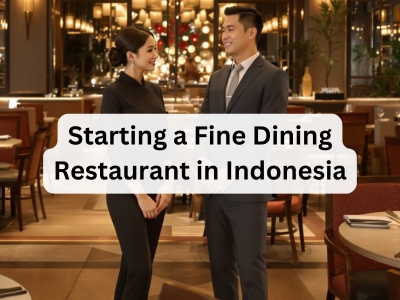 The fine dining restaurant industry in Indonesia is experiencing a renaissance, driven by a growing middle class and an increasing appetite for gourmet culinary experiences. Recent developments, such as the rise of local chefs and the influence of international cuisine, have transformed the dining landscape. With a 15% annual growth rate projected for the sector, the market potential for fine dining restaurants in Indonesia is significant.
Why Starting a Fine Dining Restaurant in Indonesia is a Smart Move
Indonesia’s fine dining industry covers premium, chef-led restaurants offering curated tasting menus or elevated à la carte experiences, often paired with strong concepts such as modern Indonesian cuisine, farm-to-table, omakase, and destination dining in cities and tourism hubs. Demand is growing as urban professionals and affluent consumers spend more on experiences, celebrations, and business hosting, while lifestyle trends like culinary tourism, social-media-driven “experience dining,” and hotel/resort dining push expectations upward. This segment is thriving in Indonesia because Jakarta and other major cities have an expanding premium customer base, Bali and key destinations bring steady high-spend tourism, and Indonesian ingredients and regional cuisines offer powerful differentiation when executed at world-class standards.
Reasons to Start This Business
A fine dining restaurant can become a high-margin, reputation-building business when it delivers consistent service, a distinctive story, and a memorable menu that earns repeat visits and referrals. Key reasons include:
- Market demand and growth potential: Premium dining demand is rising in Jakarta and major urban centers, and destination fine dining performs well in tourism areas, with additional upside through chef’s table experiences, seasonal menus, and private events.
- Government support and incentives: Tourism and creative-economy initiatives, local event programs, and MSME support ecosystems can indirectly boost high-end dining through culinary festivals, destination branding, and streamlined business facilitation in key tourism zones.
- Economic factors and consumer behavior trends: Higher disposable income segments increasingly pay for exclusivity, storytelling, and quality ingredients, while reservations, reviews, and influencer coverage strongly shape demand—making brand positioning and reputation management critical.
- Success patterns in the industry: Indonesia has seen chef-driven restaurants build strong followings by spotlighting regional ingredients, offering set-menu formats for better cost control, collaborating with hotels and international chefs, and expanding into premium catering or second concepts once the flagship is established.
Why You Should Start a Fine Dining Restaurant in Indonesia
Indonesia is emerging as a regional hub for culinary excellence, making it an attractive destination for entrepreneurs. The country boasts a rich cultural heritage, diverse ingredients, and a growing interest in gourmet dining. With improving infrastructure and a youthful demographic eager for new experiences, the environment is ripe for launching a fine dining restaurant. Successful examples, such as renowned chefs establishing their brands, highlight the potential for thriving businesses in this sector.
Detailed Steps to Establish Your Fine Dining Restaurant
1. Pre-establishment Phase
Conduct thorough market research to understand local consumer behavior and cultural preferences. Analyze competitors in the fine dining space and choose a business model that aligns with local tastes. Selecting an ideal location is crucial; consider areas with high foot traffic and a demographic that appreciates gourmet dining.
2. Business Setup
Choose the appropriate legal structure for your restaurant (e.g., PT, CV) and familiarize yourself with the registration process, including necessary documentation. For assistance with company formation, consider utilizing Indonesia company incorporation services. Consider the infrastructure setup, such as kitchen requirements and dining space design, to create an inviting atmosphere. Forming local partnerships can also be beneficial for sourcing ingredients and gaining community support.
3. Operational Planning
Outline your staffing needs and hiring processes, ensuring compliance with local labor laws. Implement technology solutions that cater to the local market, such as reservation systems and payment methods. Establish quality control measures and create standard operating procedures (SOPs) that adhere to Indonesian regulations. Focus on branding strategies that resonate with local consumers, and explore digital marketing tailored to Indonesian platforms. Building a strong online presence through social media is essential for customer engagement.
4. Menu Development
Craft a menu that reflects both local flavors and international culinary trends. Engage with local suppliers to source fresh, high-quality ingredients. Consider offering seasonal dishes that highlight Indonesia’s rich agricultural diversity. Pricing strategies should reflect the quality of the dining experience while remaining competitive.
5. Marketing and Promotion
Develop a marketing strategy that includes social media campaigns, collaborations with food influencers, and participation in local food festivals. Building a strong brand identity is crucial for attracting customers. Regularly seek feedback from diners to refine your offerings and enhance customer satisfaction.
Local Regulations and Licensing
Starting a fine dining restaurant in Indonesia requires navigating various licenses and permits. Compliance with health and safety regulations is essential, along with obtaining the necessary business licenses. Employment laws must be adhered to, including contracts and worker rights. Here are specific licensing requirements:
- Business License (SIUP)
- Tax Identification Number (NPWP)
- Health and Safety Permits
- Alcohol License (if serving alcoholic beverages)
For detailed insights, refer to the Indonesia company registration guide.
Challenges and Considerations
Entering the fine dining market can present challenges, including intense competition and resource management. Cultural considerations are crucial when designing your menu and service style. Risks such as foreign ownership restrictions may also arise. To overcome these challenges, consider the following tips:
- Conduct thorough market research to identify gaps in the market.
- Build strong relationships with local suppliers and stakeholders.
- Stay adaptable to changing consumer preferences.
- Invest in staff training to ensure high service standards.
Financial Planning Aspects
Effective financial planning is critical for success in the fine dining sector. Initial investment requirements can be substantial, covering renovations, equipment, and staffing. Explore funding options such as bank loans or investors. Revenue projections should be realistic, taking into account seasonal fluctuations in patronage. Additionally, consider tax implications and develop strategies for financial risk management. A simplified break-even analysis can help gauge the viability of your business.
- Initial setup costs (renovation, equipment)
- Monthly operating costs (rent, utilities, salaries)
- Funding options (loans, investors)
- Tax considerations (local and national taxes)
Conclusion
The fine dining restaurant market in Indonesia presents a wealth of opportunities for entrepreneurs willing to navigate its complexities. Key success factors include understanding local tastes, maintaining high service standards, and adapting to market trends. With a promising future outlook for the industry, now is the time to take the next steps towards launching your fine dining restaurant.
Ready to Start Your Fine Dining Restaurant?
If you’re ready to embark on this exciting journey, we are here to help! Our team at 3E Accounting offers consultation and support services tailored to your needs. For more information, please contact us today or visit our website for additional resources. Remember, the culinary landscape in Indonesia is ripe for innovation—take the leap and make your mark!
Additionally, consider reading our guide to creating a comprehensive business plan to solidify your foundation.