




Starting a Food Truck Business in Indonesia: A Complete Roadmap for Success
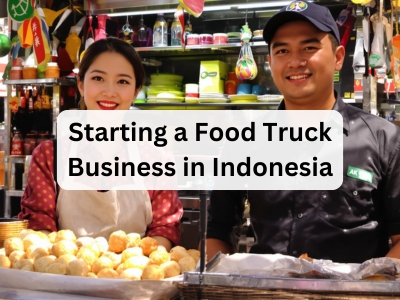 The food truck business in Indonesia is gaining momentum, reflecting changing consumer preferences and a growing appetite for diverse culinary experiences. As urban areas expand and street food culture evolves, food trucks offer a unique opportunity for entrepreneurs to enter the food industry with lower overhead costs compared to traditional restaurants. Recent statistics indicate that the food truck market in Indonesia is projected to grow significantly in the coming years, driven by innovative menus and a vibrant food scene.
Why Starting a Food Truck Business in Indonesia is a Smart Move
The food truck industry in Indonesia is characterized by its flexibility and adaptability, allowing entrepreneurs to explore various cuisines and target different market segments. With the increasing popularity of street food and the growing trend of food delivery services, there is a burgeoning demand for mobile dining options. Additionally, the relatively low startup costs for food trucks compared to brick-and-mortar restaurants make this business model attractive for aspiring food entrepreneurs.
Reasons to Start This Business
Indonesia’s food truck scene is well-positioned for growth because it taps into high-demand, high-traffic eating occasions while keeping operations lean and scalable. Key reasons include:
- Market demand and growth potential: Rising interest in street food, pop-up dining, and experiential eating at campuses, office districts, car-free days, and festivals creates repeatable demand, with clear upside in tier-2 cities where modern F&B options are still expanding.
- Government support and incentives: Many local governments and event organizers facilitate MSME participation through bazaars, curated culinary events, and vendor licensing/registration pathways, while small-business programs can support training and access to micro-financing.
- Economic factors and consumer behavior trends: Customers increasingly look for “affordable treats,” fast service, and cashless payments, and they discover new vendors through TikTok/Instagram and delivery apps—making a mobile brand with strong visuals and packaging especially competitive.
- Proven success patterns (case-style examples): Food truck operators commonly scale by building a signature menu item, rotating locations based on data (sales by area/time), partnering with offices and communities for catering, and eventually expanding into multiple trucks or a small kiosk/storefront once demand is validated.
Why You Should Start a Food Truck Business in Indonesia
Indonesia’s vibrant culture and diverse culinary landscape make it an ideal environment for food trucks. The country’s urban centers are bustling with activity, providing ample opportunities to attract customers. The infrastructure for food trucks is also improving, with more events, festivals, and markets welcoming mobile vendors. Success stories of local food trucks that have gained popularity highlight the potential for creativity and innovation in this space.
Detailed Steps to Establish Your Food Truck Business
1. Pre-establishment Phase
Conduct thorough market research to understand local consumer preferences and identify potential competitors in the food truck scene. Analyze existing food trucks to determine what works and what doesn’t. Select a niche or unique selling proposition (USP) that sets your food truck apart, whether it’s a specific cuisine, fusion dishes, or a focus on sustainability.
2. Business Setup
Choose the legal structure for your food truck business, such as a sole proprietorship or a limited liability company (PT). Register your business and obtain the necessary licenses and permits, including health and safety certifications from local authorities. For assistance with the registration process, consider exploring our Indonesia company incorporation services.
3. Operational Planning
Outline your operational strategy, including menu development, sourcing ingredients, and staffing requirements. Hire skilled staff who are passionate about food and customer service. Implement technology solutions for order management and payment processing to enhance efficiency. Establish standard operating procedures (SOPs) to ensure consistent food quality and service.
4. Marketing and Business Development
Develop a strong brand identity for your food truck, including a catchy name, logo, and engaging social media presence. Utilize digital marketing strategies to promote your food truck, including social media campaigns and collaborations with local influencers. Participate in food festivals, markets, and community events to increase visibility and attract customers. For a detailed guide on marketing strategies, refer to our guide to start a business in Indonesia.
Local Regulations and Licensing
Starting a food truck business in Indonesia requires compliance with various licenses and permits. Key regulatory needs include:
- Obtaining a Business Identification Number (NIB) through the Online Single Submission (OSS) system.
- Securing food safety permits and health inspections to ensure compliance with local health regulations.
- Registering your food truck with local authorities and obtaining vehicle permits.
- Adhering to employment laws regarding minimum wage and working conditions for staff. For more insights on legal requirements, check our Indonesia company registration guide.
Challenges and Considerations
Starting a food truck business in Indonesia presents several challenges, including intense competition and navigating regulatory requirements. Cultural considerations are vital, as understanding local tastes can significantly impact your success. Here are some actionable tips to overcome these challenges:
- Conduct regular market analysis to stay ahead of trends and competitors.
- Build strong relationships with local suppliers to ensure quality ingredients.
- Invest in marketing strategies that highlight the uniqueness of your food offerings.
- Stay informed about regulatory changes that may affect your business operations.
Financial Planning Aspects
Robust financial planning is essential for sustaining a food truck business in Indonesia. Initial investment requirements should cover the cost of the truck, kitchen equipment, permits, and initial inventory. Explore funding options such as bank loans, government grants, and potential investors. Revenue projections should be based on sales forecasts, considering seasonal trends and local demand. Tax considerations, including VAT and income tax, must also be factored into your financial strategy. For assistance with financial planning, consider our accounting services.
- Calculate the total cost of purchasing and outfitting your food truck.
- Monitor operating costs regularly to maintain profitability.
- Implement a simplified break-even analysis to determine the timeline for profitability.
- Develop risk management strategies, including insurance for your business and assets.
Conclusion
The food truck business in Indonesia offers immense opportunities for entrepreneurs willing to innovate and adapt. With the right planning, support, and a keen understanding of local tastes, your food truck can achieve lasting success and contribute to the vibrant culinary landscape of Indonesia. As the market continues to grow, now is the time to take action and establish your presence in this exciting industry.
Ready to Start Your Food Truck Business?
Begin your journey in Indonesia’s thriving food truck market by seeking expert advice and support from experienced professionals. Our team at 3E Accounting Indonesia is ready to assist with business registration, licensing, financial planning, and strategic growth, including incorporation services in Indonesia. Take action today to unlock your potential and shape the future of your food truck business in Indonesia.
Contact us for personalized consultation and access to valuable resources for aspiring food truck entrepreneurs. Whether you’re a local visionary or an international investor, we’re here to guide you every step of the way. Let your creativity shine and make a difference—your success story starts now! Contact us today for expert guidance on your business journey. For comprehensive support in writing a business plan, refer to our guide to creating a comprehensive business plan. Additionally, consider utilizing human resource management software to streamline your HR processes and AI Account software for efficient accounting solutions.