




Starting a Halal Street Food Business in Indonesia: A Complete Roadmap for Success
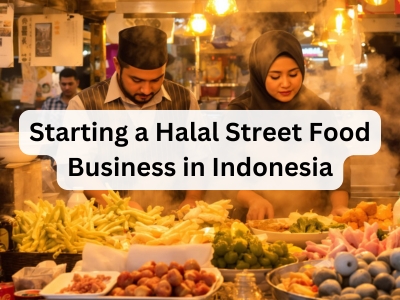 The halal street food business in Indonesia is thriving, fueled by a diverse culinary culture and a growing demand for halal food options. Recent trends indicate a significant rise in street food popularity, especially among younger consumers seeking affordable and delicious meals. According to industry reports, the halal food market in Indonesia is expected to grow by 20% over the next five years, presenting a lucrative opportunity for entrepreneurs.
Why Starting a Halal Street Food Business in Indonesia is a Smart Move
The halal street food industry in Indonesia encompasses a wide range of offerings, from traditional snacks to innovative fusion dishes. The increasing awareness and demand for halal-certified food, coupled with lifestyle changes, are driving this sector’s growth. Key reasons for the thriving halal street food business include a large Muslim population, vibrant street food culture, and the rising trend of food tourism.
Reasons to Start This Business
Analyzing the market demand reveals substantial growth potential for the halal street food business in Indonesia:
- The Indonesian government supports small businesses through grants and incentives, promoting entrepreneurship.
- A diverse and growing population is increasingly spending on street food, driving demand for halal options.
- Consumer behavior trends show a preference for convenient, quick, and affordable meal options.
- Success stories from established halal street food vendors demonstrate the viability of this business model.
Why You Should Start a Halal Street Food Business in Indonesia
Indonesia is renowned for its culinary diversity, making it an ideal location for a halal street food business. The country boasts a robust infrastructure, a large and youthful demographic, and an ever-expanding middle class eager to explore various food options. Numerous successful street food vendors have emerged, utilizing local ingredients and flavors to create unique offerings that resonate with both locals and tourists.
Detailed Steps to Establish Your Halal Street Food Business
1. Pre-establishment Phase
Conduct thorough market research to understand local consumer behavior and preferences for halal street food. Analyze competitors within the Indonesian market to identify gaps and opportunities. Choose a business model that aligns with local tastes, whether it be a food cart, a mobile stall, or a small eatery. Determine the ideal location for your business, considering foot traffic and popular gathering spots.
2. Business Setup
Choose the legal structure of your business, such as a sole proprietorship or PT (Limited Liability Company), and navigate the registration process, which includes obtaining necessary documentation such as a Business Identification Number (NIB). Setting up your infrastructure involves securing a suitable location that meets health and safety regulations while also creating an inviting atmosphere for customers. Consider forming local partnerships with suppliers for fresh halal ingredients, which can enhance your product quality. For assistance, explore our Indonesia company incorporation services.
3. Operational Planning
Outline resource allocation for equipment, ingredients, and staffing. Hiring skilled cooks and staff familiar with halal food preparation is crucial for success. Implement technology solutions that streamline operations, such as inventory management systems and point-of-sale software. Establish quality control measures to maintain high standards in your food offerings and develop standard operating procedures (SOPs) that comply with local regulations.
4. Marketing and Business Development
Focus on branding strategies that resonate with Indonesian consumers, utilizing social media platforms for effective digital marketing. Create a strong online presence through a professional website showcasing your menu and unique offerings. Engage in community outreach by participating in local events and collaborating with other businesses to increase visibility. Consider loyalty programs and promotions to attract and retain customers. For more insights on starting your business, refer to our guide to start a business in Indonesia.
Local Regulations and Licensing
Establishing a halal street food business in Indonesia requires compliance with various licenses and permits. Key regulatory needs include:
- Obtaining a Business Identification Number (NIB) via the Online Single Submission (OSS) system for legal operations.
- Securing food safety permits and health inspections to ensure compliance with local health regulations.
- Obtaining halal certification from recognized authorities to guarantee compliance with halal standards.
- Adhering to employment laws regarding minimum wage and working conditions for staff.
Challenges and Considerations
Starting a halal street food business in Indonesia presents several challenges, including market competition and resource management. Cultural considerations are vital, as understanding local tastes can significantly impact your success. Furthermore, foreign ownership restrictions may apply, necessitating careful planning. Here are some actionable tips to overcome these challenges:
- Conduct regular market analysis to stay ahead of trends and competitors.
- Build strong relationships with local suppliers to ensure quality halal ingredients.
- Invest in marketing strategies that highlight the uniqueness of your halal street food offerings.
- Stay informed about regulatory changes that may affect your business operations.
Financial Planning Aspects
Robust financial planning is essential for sustaining a halal street food business in Indonesia. Initial investment requirements should cover equipment, ingredients, permits, and marketing costs. Explore funding options such as bank loans, government grants, and potential investors. Revenue projections should be based on sales forecasts, considering seasonal trends and local demand. Tax considerations, including VAT and income tax, must also be factored into your financial strategy.
- Calculate initial investment for cooking equipment, signage, and initial inventory.
- Monitor operating costs regularly to maintain profitability.
- Implement a simplified break-even analysis to determine the timeline for profitability.
- Develop risk management strategies, including insurance for your business and assets.
Conclusion
The halal street food business in Indonesia offers immense opportunities for entrepreneurs willing to innovate and adapt. With the right planning, support, and a keen understanding of local tastes, your halal street food business can achieve lasting success and contribute to the vibrant culinary landscape of Indonesia. As the market continues to grow, now is the time to take action and establish your presence in this exciting industry.
Ready to Start Your Halal Street Food Business?
Begin your journey in Indonesia’s thriving halal street food market by seeking expert advice and support from experienced professionals. Our team at 3E Accounting Indonesia is ready to assist with business registration, licensing, financial planning, and strategic growth, including incorporation services in Indonesia. Take action today to unlock your potential and shape the future of your halal street food business in Indonesia.
Contact us for personalized consultation and access to valuable resources for aspiring halal street food entrepreneurs. Whether you’re a local visionary or an international investor, we’re here to guide you every step of the way. Let your creativity shine and make a difference—your success story starts now! contact us today or learn about the importance of a business plan. For efficient operations, consider using human resource management software to streamline your HR processes. Additionally, leverage AI Account software for your accounting needs.