




Starting a Shoe Store in Indonesia: A Complete Roadmap for Success
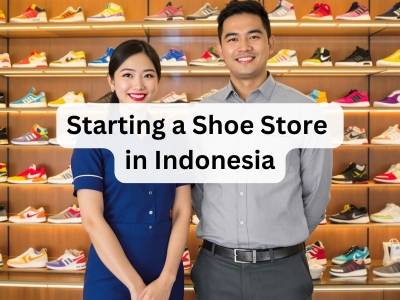 The shoe store market in Indonesia is experiencing rapid growth, driven by increasing consumer demand for fashionable and comfortable footwear. Recent trends indicate a shift towards online shopping and a growing preference for both local and international brands. According to Statista, the footwear market in Indonesia is expected to reach over $4 billion by 2025, highlighting the significant market potential for new entrants.
Why Starting a Shoe Store in Indonesia is a Smart Move
Indonesia’s shoe retail industry spans multi-brand footwear stores, single-brand outlets, local artisan producers, and online-first sellers, covering casual sneakers, formal shoes, sandals, school shoes, and performance footwear for sports and outdoor activities. Demand is growing as urban lifestyles become more mobile, sneaker culture and athleisure expand, and consumers shop more frequently through omnichannel journeys (browse on social media/marketplaces, buy in-store or via delivery). This industry is thriving in Indonesia because the market is large and young, local manufacturing and regional sourcing are strong, and retailers can win with the right mix of price tiers, trend responsiveness, and trust-building around fit, authenticity, and after-sales service.
Reasons to Start This Business
A shoe store can become a durable retail business when it nails inventory selection, sizing accuracy, and customer experience across online and offline channels. Key reasons include:
- Market demand and growth potential: Footwear is a repeat-need category (school, work, events, sports), with growth potential via niche positioning (sneakers, kids, modest/formal, running) and expansion through marketplace stores, pop-ups, and multi-branch rollouts.
- Government support and incentives: MSME support programs and light-manufacturing/creative-industry ecosystems can benefit retailers that collaborate with local producers, while business facilitation and training initiatives help improve standards and scalability.
- Economic factors and consumer behavior trends: Consumers are highly price-sensitive but willing to pay for comfort, durability, and authentic brands; they also respond well to promos, paylater options, and clear exchange policies because fit risk is a major purchase barrier.
- Success patterns in the industry: Many Indonesian footwear businesses have grown by combining online demand generation (TikTok/Instagram content, drops, community groups) with offline fit experiences, then scaling through consistent quality control, reliable sizing charts, and strong supplier relationships.
Why You Should Start a Shoe Store in Indonesia
Indonesia serves as a regional hub for the footwear industry, thanks to its strategic location and diverse population. The country’s urban centers, such as Jakarta and Surabaya, have seen a surge in shoe store openings, driven by a young demographic eager for trendy footwear. The supportive infrastructure, coupled with a growing online shopping culture, makes it an ideal environment for entrepreneurs looking to establish a shoe store. For assistance with company formation, consider reaching out to a trusted corporate service provider.
Detailed Steps to Establish Your Shoe Store
1. Pre-establishment Phase
Conduct thorough market research to understand local consumer behavior and preferences regarding footwear. Analyze competitors within the Indonesian market and choose a business model that aligns with local trends. Determine the ideal location for your shoe store, considering factors such as foot traffic, accessibility, and proximity to target customers.
2. Business Setup
Select the legal structure of your shoe store (e.g., sole proprietorship, PT, etc.) and explain the registration process, including specific documentation required in Indonesia. For more information, refer to our guide to Indonesia company registration. Discuss infrastructure setup, such as store layout and design, and operational requirements, including sourcing inventory from local manufacturers or wholesalers.
3. Operational Planning
Outline resource allocation and staff hiring processes, emphasizing the importance of understanding local labor laws. Highlight the adoption of technology suited to the local market, such as point-of-sale systems and inventory management software. Discuss the creation of standard operating procedures (SOPs) that comply with Indonesian regulations and focus on branding strategies that resonate with Indonesian consumers. Consider digital marketing tailored to local platforms and customer acquisition strategies to build a loyal customer base.
4. Marketing and Promotion
Develop a marketing strategy that includes social media campaigns, collaborations with local influencers, and community events to attract customers. Emphasize the unique value proposition of your shoe store, such as quality, variety, and affordability. Engage with the community through workshops or shoe fairs to enhance brand visibility and customer engagement.
Local Regulations and Licensing
To operate a shoe store in Indonesia, several licenses and permits are required. Compliance with industry-specific regulations and safety standards is crucial for success. Key licensing and regulatory needs include:
- Business registration with the Ministry of Trade.
- Tax identification number (NPWP) for tax compliance.
- Import permits if sourcing products from abroad.
- Compliance with local health and safety regulations.
Challenges and Considerations
Common challenges in the shoe store industry include market competition and resource management. Cultural considerations, such as consumer perceptions of local versus imported brands, may pose additional hurdles. Risks such as fluctuating supply chain costs and managing inventory should also be taken into account. To overcome these challenges, consider the following tips:
- Engage with local communities to build brand loyalty and trust.
- Regularly assess market trends to stay competitive and adapt to consumer preferences.
- Invest in staff training to enhance customer service and product knowledge.
- Utilize technology for efficient inventory management and sales tracking.
Financial Planning Aspects
Initial investment requirements for a shoe store can vary based on location and scale. Understanding operating costs is essential for sustainability. Key financial planning aspects include:
- Estimating startup costs, including rent, renovations, and initial inventory.
- Exploring funding options such as loans or investor partnerships.
- Projecting revenue based on market analysis and pricing strategies.
- Considering tax implications and developing financial risk management strategies.
Conclusion
The market opportunity for starting a shoe store in Indonesia is vast, driven by changing consumer preferences and a supportive entrepreneurial environment. Key success factors include understanding local culture, effective marketing strategies, and compliance with regulations. As the industry continues to evolve, entrepreneurs are encouraged to seize this moment and embark on their shoe store journey.
Ready to Start Your Shoe Store?
If you’re ready to take the plunge into the vibrant world of footwear in Indonesia, we are here to help. Our team at 3E Accounting offers consultation services tailored to your business needs, ensuring you have the right foundation for success. Contact us today for personalized support and resources to kickstart your journey in the shoe store industry.
Don’t miss out on this exciting opportunity—let’s turn your shoe store dreams into reality! For more insights on writing a business plan, visit our guide to writing a business plan. If you have any questions or need expert assistance, contact us today! Additionally, consider exploring human resource management software or AI accounting software to streamline your operations.