




Starting a Halal Certifying Restaurants in Indonesia: A Complete Roadmap for Success
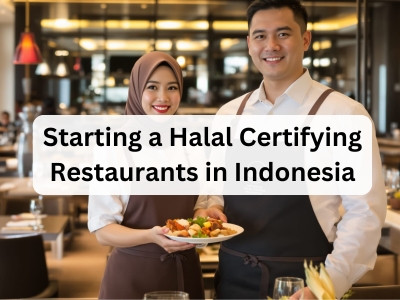
Indonesia’s halal food industry is experiencing exponential growth, with the country positioned as the world’s largest Muslim consumer market and a global leader in halal certification standards. The restaurant sector is witnessing a significant transformation as consumers increasingly demand verified halal credentials, transparency in food sourcing, and adherence to Islamic dietary laws. According to the State of the Global Islamic Economy Report, Indonesia’s halal food market is valued at over USD 170 billion, with certified halal restaurants capturing a growing share of this lucrative segment as both domestic and international tourists seek authentic halal dining experiences.
Why Starting a Halal Certifying Restaurants in Indonesia is a Smart Move
Halal Certifying Restaurants in Indonesia represent food service establishments that have obtained official halal certification from recognized authorities like BPJPH (Badan Penyelenggara Jaminan Produk Halal), ensuring compliance with Islamic dietary requirements throughout their supply chain, preparation, and service processes. The demand for certified halal restaurants is surging as Indonesian consumers become more conscious about halal authenticity, particularly among millennials and Gen Z who prioritize transparency and religious compliance in their dining choices. This industry thrives on Indonesia’s unique position as the world’s largest Muslim-majority nation, combined with increasing halal tourism, government support for halal certification, and growing export opportunities to global Muslim markets.
Reasons to Start This Business
The halal restaurant certification industry offers compelling advantages for entrepreneurs prepared to meet the evolving demands of Indonesia’s conscious consumers:
- Massive Market Potential: With over 230 million Muslims representing 87% of Indonesia’s population, certified halal restaurants tap into an enormous domestic market that prioritizes religious compliance, creating consistent demand and customer loyalty.
- Government Support and Incentives: The Indonesian government has made halal certification mandatory for food products and services through Law No. 33/2014, providing regulatory support, subsidies for certification costs, and promotional assistance for certified establishments.
- Tourism and Export Opportunities: Indonesia attracts millions of Muslim tourists annually who specifically seek certified halal dining options, while certification opens doors to catering contracts, franchise expansion, and export opportunities to Middle Eastern and Southeast Asian markets.
- Premium Positioning and Profitability: Certified halal restaurants can command premium pricing, attract corporate and government contracts, differentiate from competitors, and build trust-based customer relationships that translate into higher profit margins and sustainable growth.
- Success Stories Abound: Numerous Indonesian restaurant chains like Solaria, Ayam Geprek Bensu, and international franchises like McDonald’s and KFC have achieved remarkable growth by obtaining halal certification, demonstrating the business model’s viability and scalability across diverse culinary concepts.
Why You Should Start Halal Certifying Restaurants in Indonesia
Indonesia’s strategic position as Southeast Asia’s economic powerhouse, combined with its robust halal ecosystem infrastructure, creates exceptional conditions for halal-certified restaurant ventures. Major cities like Jakarta, Surabaya, Bandung, and Bali have witnessed successful Halal Certifying Restaurants in Indonesia operations achieving rapid customer acquisition and brand recognition by combining authentic culinary offerings with transparent halal compliance. The country’s young, digitally-connected population, improving logistics networks, and government initiatives promoting halal industry development provide entrepreneurs with comprehensive support systems, access to halal-certified suppliers, and growing consumer awareness that drives demand for verified halal dining experiences.
Detailed Steps to Establish Your Halal Certifying Restaurants in Indonesia
1. Pre-establishment Phase
Conduct comprehensive market research to identify your target customer demographics, preferred cuisines, price sensitivity, and dining preferences within Indonesia’s diverse Muslim consumer segments, while analyzing competitor offerings to identify market gaps and differentiation opportunities. Choose a restaurant concept that aligns with local tastes while meeting halal certification requirements, and determine your ideal location by considering proximity to Muslim residential areas, business districts, and tourist destinations that attract halal-conscious consumers. Before proceeding further, develop a comprehensive business plan that outlines your halal compliance strategy, and understanding the guide to start a business in Indonesia will provide essential foundational knowledge for your venture.
2. Business Setup
Choose the appropriate legal structure for your restaurant business, with most entrepreneurs establishing a PT (Perseroan Terbatas) for credibility and scalability, and navigate the registration process by obtaining a NIB through the OSS system, consulting our guide to Indonesia company registration for detailed information. Foreign investors interested in the halal restaurant sector must comply with Indonesia’s Investment List regulations through PT PMA in Indonesia structures, and professional Indonesia company incorporation services can streamline this complex process and ensure full regulatory compliance. Secure restaurant premises with proper kitchen facilities that can be segregated for halal preparation, adequate storage for halal-certified ingredients, and invest in kitchen equipment, point-of-sale systems with inventory tracking capabilities, and staff training programs that emphasize halal food handling protocols.
3. Operational Planning
Develop a comprehensive staffing plan that includes experienced chefs trained in halal food preparation, service staff knowledgeable about halal principles, and management personnel overseeing certification compliance, with Indonesian labor law requiring formal employment contracts and professional payroll services in Indonesia ensuring accurate compliance. Implement technology solutions including inventory management systems that track halal-certified ingredients, supplier verification databases, and customer relationship management tools, while considering human resource management software to streamline workforce scheduling and compliance tracking. Establish rigorous quality control measures covering supplier audits to verify halal certification validity, kitchen protocols preventing cross-contamination, regular staff training on halal compliance, and create detailed standard operating procedures addressing ingredient sourcing exclusively from certified halal suppliers and separate storage and preparation areas for halal items.
4. Marketing and Business Development
Focus on branding strategies that emphasize your halal certification credentials, displaying certification prominently in physical locations and across all marketing materials to build immediate trust with Muslim consumers, while leveraging digital marketing through Instagram, Facebook, TikTok, and Google My Business. Develop a professional website featuring your halal certification details, menu with clear ingredient disclosure, online ordering capabilities, and educational content about halal food standards. Engage in community outreach by partnering with mosques for iftar catering during Ramadan, sponsoring Islamic events, and participating in halal food festivals, and strategic business advisory services in Indonesia can help you develop effective marketing strategies tailored to the halal-conscious consumer segment.
5. Halal Certification Process
Initiate the halal certification process by registering with BPJPH (Badan Penyelenggara Jaminan Produk Halal), selecting an accredited LPH to conduct your facility audit, and preparing comprehensive documentation including business registration, product/menu lists with detailed ingredients, and supplier halal certificates, reviewing the Indonesia company registration guide to ensure all business documentation is properly prepared. Undergo facility inspection where auditors evaluate your kitchen setup, ingredient storage, preparation processes, staff training, and supplier verification systems to ensure complete halal compliance, then address any non-conformities identified during inspection and implement corrective actions. Working with experienced company secretary services in Indonesia ensures proper documentation management and timely certification renewals.
Local Regulations and Licensing
Operating Halal Certifying Restaurants in Indonesia requires compliance with multiple regulatory frameworks to ensure legal operation, food safety, and halal integrity:
- NIB and Business Registration: Obtain your Nomor Induk Berusaha through the OSS system, which integrates business registration, tax identification, and operational permits for food service establishments, and consider professional incorporation services in Indonesia to expedite the process.
- Halal Certification: Secure mandatory halal certification from BPJPH through accredited LPH auditors, ensuring your entire supply chain, preparation processes, and service operations comply with Islamic dietary law as mandated by Law No. 33/2014 on Halal Product Assurance.
- Food Safety and Hygiene Permits: Obtain health department approvals including food business licenses, sanitation certificates, and regular health inspections that verify compliance with Indonesian food safety standards and hygiene regulations for commercial kitchens.
- Employment and Labor Compliance: Register all employees with BPJS Kesehatan and BPJS Ketenagakerjaan, maintain proper employment contracts, comply with minimum wage regulations, and ensure staff receive halal food handling training with documented certification records.
Challenges and Considerations
While the halal restaurant certification industry offers substantial growth potential, entrepreneurs should prepare for industry-specific challenges including maintaining consistent halal compliance across all operations, managing certification costs and renewal processes, and competing with established certified restaurants. Cultural considerations are vital, as Indonesian consumers have diverse interpretations of halal standards and varying levels of certification awareness across regions.
- Supply Chain Management: Ensuring all ingredients, seasonings, and packaging materials come from certified halal suppliers requires rigorous vendor management, regular audits, and contingency planning for supply disruptions that could compromise halal status.
- Staff Training and Retention: Maintaining high standards of halal compliance depends on well-trained staff who understand Islamic dietary principles, proper food handling protocols, and cross-contamination prevention, necessitating ongoing training investments and competitive compensation to reduce turnover.
- Certification Maintenance Costs: Beyond initial certification expenses, restaurants face ongoing costs for renewal audits, supplier verification, staff training, documentation management, and potential facility upgrades to maintain compliance standards, requiring careful financial planning.
- Market Education and Positioning: Many consumers remain unaware of the differences between halal-certified and simply “Muslim-owned” restaurants, requiring marketing investments to educate customers about certification benefits, transparency, and the value proposition of verified halal dining experiences.
Financial Planning Aspects
Strategic financial planning ensures your Halal Certifying Restaurants in Indonesia achieves profitability and sustainable growth. Engaging a professional corporate services provider in Indonesia from the outset helps establish proper financial controls and reporting systems:
- Initial Investment: Expect startup costs between IDR 300-800 million depending on restaurant size and concept, covering premises rental or purchase, kitchen equipment, dining furniture, initial inventory from halal-certified suppliers, halal certification fees, licensing, marketing, and working capital for 6-9 months of operations.
- Operating Expenses: Monthly costs include rent (IDR 15-60 million depending on location and size), staff salaries (IDR 30-80 million for 8-15 employees), halal-certified ingredient procurement, utilities, marketing, certification maintenance, and contingency reserves, with reliable bookkeeping services in Indonesia ensuring accurate expense tracking.
- Revenue Projections: Well-positioned halal-certified restaurants typically achieve monthly revenues of IDR 150-500 million after market stabilization, with gross margins of 60-70% on food sales, and consider implementing AI accounting software to streamline financial management and gain real-time insights.
- Funding Options: Consider bank loans through KUR programs offering favorable terms for MSMEs, Islamic financing options from sharia-compliant banks, peer-to-peer lending platforms, angel investors interested in halal industry ventures, or government grants supporting halal certification adoption, with expert strategic business consulting helping identify appropriate funding sources.
- Tax Considerations: Corporate income tax is 22% for PT entities with potential reductions for qualifying MSMEs, VAT applies to food service operations, and maintain accurate financial records working with professional accounting services to optimize tax efficiency and ensure compliance with Indonesian tax regulations.
- Break-even Timeline: Most Halal Certifying Restaurants in Indonesia operations reach break-even within 12-18 months, with profitability accelerating as brand recognition develops, customer loyalty strengthens, and operational efficiencies improve through experience and refined processes.
Conclusion
The halal-certified restaurant industry in Indonesia presents exceptional opportunities for entrepreneurs who understand Islamic dietary principles, consumer preferences, and certification compliance requirements. Success requires meticulous planning, unwavering commitment to halal integrity, strategic supplier partnerships, and customer-centric operations that build trust and loyalty within Muslim communities. With Indonesia’s position as the world’s largest Muslim consumer market, mandatory halal certification regulations, growing halal tourism, and increasing consumer awareness of certification importance, a well-executed Halal Certifying Restaurants in Indonesia can achieve sustainable profitability while contributing to the country’s halal economy development, and learn more about our values and how we support halal industry entrepreneurs in achieving their business goals.
Ready to Start Your Halal Certifying Restaurants in Indonesia?
Launching your Halal Certifying Restaurants in Indonesia requires navigating complex business registration processes, halal certification requirements, regulatory compliance, and operational setup that can overwhelm first-time entrepreneurs. At 3E Accounting Indonesia, we specialize as a trusted corporate service provider helping food service entrepreneurs transform their culinary passion into legally compliant, halal-certified, operationally efficient businesses through our comprehensive company formation services including company registration, halal certification guidance, licensing assistance, accounting system setup, tax planning, and ongoing compliance management. Our expert team brings decades of combined experience in supporting food service entrepreneurs across Indonesia.
Don’t let regulatory complexity or certification challenges delay your entrepreneurial journey in the thriving halal restaurant industry—contact 3E Accounting today for a personalized consultation where we’ll assess your restaurant concept, clarify all halal certification requirements, explain regulatory obligations, and create a detailed roadmap for your Halal Certifying Restaurants in Indonesia launch. Our experienced team has successfully supported hundreds of food service entrepreneurs across Indonesia, and we’re ready to provide the expertise and guidance you need to build a profitable business that serves Indonesia’s growing community of halal-conscious consumers while achieving your financial and personal goals. Reach out to us now and let’s bring your halal restaurant vision to life with confidence, compliance, and culinary excellence.