


Starting a Yoga Studio in Indonesia: A Complete Roadmap for Success
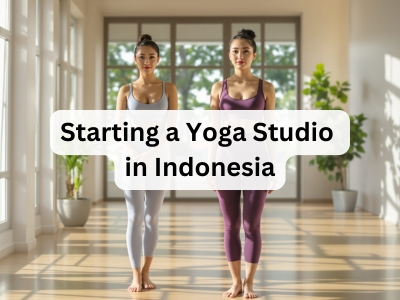 The wellness market in Indonesia is expanding as urban consumers invest more in stress management, mobility, and preventive health, creating strong momentum for a Yoga Studio in Indonesia. In major cities, yoga is shifting from a niche activity into a mainstream lifestyle choice, supported by growing interest in mindfulness, low-impact training, and community-based classes. With Indonesia’s large, young, and increasingly health-aware population, studio concepts that deliver consistent teaching quality and a clear customer experience can capture meaningful demand.
Why Starting a Yoga Studio in Indonesia is a Smart Move
A Yoga Studio in Indonesia is a service business delivering instructor-led classes, memberships, workshops, and often complementary offerings such as breathwork, meditation, mobility training, and wellness events. Demand is rising as busy professionals seek structured routines that improve posture, reduce stress, and enhance sleep, while lifestyle trends increase openness to holistic wellbeing. The industry is thriving because customers value community, guided practice, and measurable progress, and studios can build predictable recurring revenue through memberships and class packages.
Reasons to Start This Business
A well-positioned studio can scale profitably when you combine clear positioning with strong retention and operational discipline.
- Growing urban demand: More Indonesians are prioritizing recovery, flexibility, and stress reduction, driving steady interest in guided yoga.
- Recurring revenue structure: Memberships and class packs support predictable cashflow when attendance and churn are managed.
- High community value: Studios that build a welcoming culture often generate referrals and long-term loyalty.
- Workshop and event upsides: Teacher training, weekend intensives, corporate sessions, and wellness collaborations can increase margins.
- Partnership potential: Collaboration with cafés, health clinics, hotels, and residential clusters can create low-cost lead channels.
Why You Should Start Yoga Studio in Indonesia
Indonesia offers a compelling environment for wellness entrepreneurs due to dense urban clusters, rising disposable income in key cities, and strong social sharing that amplifies brand awareness. The market supports both premium studios that focus on curated experiences and accessible studios that win on consistency and convenience. A Yoga Studio in Indonesia that differentiates through teaching standards, safety, and community can build a trusted local brand and expand through additional branches or franchising once unit economics are proven.
Detailed Steps to Establish Your Yoga Studio in Indonesia
1. Pre-establishment Phase
Start by defining your studio identity and your ideal student profile. Decide whether you will focus on beginners, office workers, women-focused classes, athletic mobility, prenatal yoga, restorative programs, or mindfulness and meditation, then validate demand through trial classes and short pop-ups. Track conversion metrics early such as trial attendance, repeat rate, preferred class times, and willingness to pay by neighborhood.
Next, choose a business model that fits local purchasing behavior. Many studios in Indonesia succeed with a combination of drop-in rates, multi-class packs, monthly memberships, and premium workshops, while corporate sessions can provide stable weekday revenue. Map competitors within a practical radius, identify gaps in class schedule or teaching style, and commit to a clear promise that is easy to communicate such as beginner-friendly, technique-focused, or recovery-first.
2. Business Setup
Set up the right legal structure so you can sign a lease, hire staff, open business bank accounts, and issue proper invoices. Use this start a business in Indonesia resource to understand the typical preparation steps and workflow. For a deeper look at registration sequencing and documentation, refer to the guide to Indonesia company registration and keep it as a checklist while you plan your opening timeline.
If you want to reduce back-and-forth and avoid preventable delays, use Indonesia company incorporation services to keep submissions consistent and complete. Where ownership structures are more complex, incorporation services in Indonesia can help you align shareholding, governance, and documentation. If you prefer a streamlined setup approach from day one, company formation assistance supports clean setup for banking, contracting, and growth.
If there is foreign ownership, plan early and choose the appropriate structure such as PT PMA to match the correct compliance pathway. Operationally, prepare contracts that protect your studio: lease terms that address fit-out and operating hours, instructor agreements that clarify class standards and payment terms, and student terms covering cancellations, late arrivals, health disclaimers, and studio rules.
3. Location, Fit-out, and Studio Experience
Location selection should match your target student’s daily routine. For a Yoga Studio in Indonesia, convenience often beats size, so prioritize access, parking, foot traffic, and proximity to residential clusters or offices. Confirm building conditions early, including ventilation, noise restrictions, water access, and any landlord limitations that could affect schedule and fit-out.
Design your studio for comfort and safety: clean flooring, adequate spacing, storage, changing area, reception flow, and a consistent ambience that supports your brand promise. Create maintenance routines for cleaning, air quality, and equipment checks, and document incident handling for injuries or health issues. A reliable student onboarding flow, including beginner orientation and class recommendations, improves confidence and retention.
4. Operational Planning
Your instructors define your reputation, so standardize teaching quality through clear class frameworks, cueing standards, and safety rules for common limitations. Build SOPs for scheduling, front-desk customer handling, payment collection, refunds, and studio etiquette enforcement. Plan staffing carefully to avoid cost creep, and ensure employment terms align with local labor practices and fair instructor compensation.
To keep payroll consistent as you scale instructors and admin staff, use payroll services. For HR workflows like attendance, leave, and staff records, you may consider third-party human resource management software to reduce manual administration.
5. Marketing, Sales, and Retention System
Market outcomes and community, not just class types. Build a simple funnel: local awareness content, intro offers, a beginner assessment or consult, then conversion into a membership or pack with a clear progression plan. Use collaborations with cafés, wellness clinics, hotels, and residential communities, and run referral programs that reward consistent attendance, not only sign-ups.
Retention is the profit center. Use progress check-ins, themed series, workshops, and consistent class scheduling to build routine, and monitor attendance to trigger outreach when a member becomes inactive. If you want structured support on pricing, capacity planning, and expansion readiness, engage business advisory services so decisions are guided by numbers and realistic assumptions.
Local Regulations and Licensing
Licensing and compliance should be planned before you commit to opening campaigns, because requirements can vary by city and premises profile. A Yoga Studio in Indonesia typically needs proper company registration, local operational readiness, employment compliance, and clean financial records that support accurate reporting. Treat licensing as a tracked project with a timeline, document owner, and renewal calendar to avoid disruptions after launch.
- Accounting and reporting setup: Establish reliable invoicing and reporting with Indonesia accounting services to keep revenue and taxes properly tracked.
- Daily record keeping: Maintain class sales, memberships, refunds, and instructor payouts through outsourced bookkeeping for clearer cashflow control.
- Governance and statutory maintenance: Keep required corporate records and compliance milestones in order with company secretary services in Indonesia.
- Local operational compliance: Confirm premises-related permissions, safety practices, and employment documentation are aligned with local expectations and renewal cycles.
Challenges and Considerations
Most studios face competition and retention pressure, but clear positioning and operational discipline can keep performance stable.
- High competition in urban areas: Win with a clear niche, consistent instructor quality, and a defined student journey.
- Instructor dependency: Reduce risk by standardizing class frameworks and maintaining a bench of trained instructors.
- Churn and attendance volatility: Use onboarding, progress series, and proactive outreach when attendance drops.
- Cost control: Manage fixed costs carefully, negotiate lease terms, and avoid overbuilding your fit-out before you validate demand.
Financial Planning Aspects
Your financial plan should prioritize retention-driven revenue, utilization, and tight cost control, especially during the first 6 to 12 months.
- Initial investment: Fit-out, deposits, mats and props, branding, and pre-opening marketing.
- Operating costs: Rent, utilities, instructor fees, admin salaries, cleaning, and software tools.
- Revenue mix: Memberships, class packs, drop-ins, workshops, corporate sessions, and merchandise.
- Tax and reporting discipline: Track sales by product type and monitor refunds to prevent margin leakage.
- Simplified break-even: If fixed monthly costs are 120,000,000 IDR and average gross profit per class attendance is 60,000 IDR, break-even is 120,000,000 ÷ 60,000 = 2,000 attendances per month.
For clean transaction tracking and reporting discipline, you may use third-party AI Account software as an operational tool, supported by professional oversight.
Conclusion
A Yoga Studio in Indonesia can become a strong recurring-revenue business when you focus on a clear niche, consistent teaching standards, and a retention system that builds routine and community. The most successful studios treat compliance, SOPs, and financial controls as part of the customer experience and brand trust. Start with one location, prove conversion and retention, then expand only when unit economics are stable.
Ready to Start Your Yoga Studio in Indonesia?
3E Accounting Indonesia is a corporate service provider started since 2019, supporting founders from setup to ongoing compliance. To understand our approach, visit about 3E Accounting and meet our expert team that supports incorporation, governance, and reporting.
If you want help aligning your timeline, ownership structure, and compliance milestones, contact us today and build your launch plan around a practical importance of a business plan so you open with clarity and scale with control.