



Starting an Optometry Clinic in Indonesia: A Complete Roadmap for Success
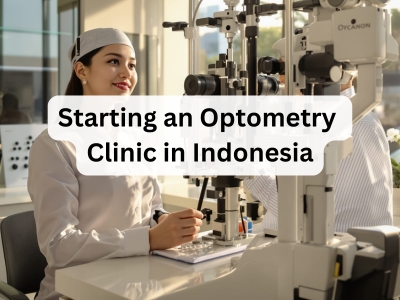 An Optometry Clinic in Indonesia is increasingly relevant as screen exposure rises, more Indonesians rely on digital devices for work and study, and consumers become more proactive about preventive health. The market is shifting toward convenience and trust: patients want faster appointments, clear exam explanations, and transparent pricing before they commit. Indonesia’s large working-age and student population creates sustained demand for refraction checks, prescription updates, and contact lens services, making this a practical healthcare business when operations and compliance are handled properly.
Why Starting an Optometry Clinic in Indonesia is a Smart Move
An Optometry Clinic in Indonesia generally covers vision testing, refraction, basic eye health screening, contact lens fitting, and referral pathways for cases requiring specialist medical treatment. Demand is growing due to lifestyle changes such as higher daily screen time, longer commutes, and stronger awareness of productivity and learning performance tied to clear vision. This industry thrives when founders combine clinical consistency with a retail-grade service experience, supported by strong back-office control from a reliable accounting firm in Indonesia.
Reasons to Start This Business
Starting an Optometry Clinic in Indonesia can be a strong move because it is needs-based, repeatable, and operationally scalable when you build the right systems early.
- Recurring patient visits: Many patients return annually (or sooner) to update prescriptions, manage eye strain, and evaluate comfort with glasses or contact lenses.
- Consistent demand across cities: Beyond Jakarta, growth in secondary cities and mixed-use areas increases opportunities for neighborhood-based clinics with strong local visibility.
- Consumer behavior supports organized clinics: Patients increasingly compare providers online and choose clinics with predictable service flow, clear pricing, and good reviews.
- Partnership-driven growth: Corporate vision screening packages, school awareness programs, and lab relationships can create steady lead sources.
- Professional trust becomes a moat: Clinics that document results well and educate patients in plain language often win higher retention and referrals.
Why You Should Start Optometry Clinic in Indonesia
Indonesia offers entrepreneurs a large domestic market, improving infrastructure, and a digitally connected audience that can be reached efficiently through local search and social channels. With the right location and a disciplined service model, an Optometry Clinic in Indonesia can build a strong reputation quickly through repeat visits and family referrals. Founders who treat the clinic as both a healthcare practice and a system-driven service business are best positioned to expand into multiple branches over time.
Detailed Steps to Establish Your Optometry Clinic in Indonesia
1. Pre-establishment Phase
Begin with district-level research rather than city-wide assumptions. Identify the exact patient segments you want to serve (students, office workers, families, seniors), then validate which services they request most frequently: refraction updates, contact lens fitting, pediatric checks, or basic screening and referral coordination. Visit competing clinics and optical stores to benchmark pricing, waiting time, equipment quality, and how well staff explain results; your goal is to design a patient journey that feels faster and clearer without sacrificing clinical discipline. Decide your initial operating model: a boutique clinic (premium experience, strong education, slightly higher prices) or a throughput clinic (more appointments per day, tighter SOPs, more staffing). Choose a location based on access and demand generators such as offices, universities, schools, transit corridors, and family residential clusters, then confirm the space can support exam lanes and patient flow. Before committing to renovation, map your startup checklist using a guide to start a business in Indonesia so your timeline and documentation are realistic.
2. Business Setup
Choose your business structure early because it affects licensing readiness, banking, hiring, and your long-term expansion options. Most founders aim for a structure that supports governance, clean ownership records, and easier partnerships; if foreign participation is involved, you may need a pathway aligned with PT PMA in Indonesia. For local founders, the priority is to ensure your registered business activities align with clinic operations and any related service components you plan to offer. Execute setup through professional Indonesia company incorporation services to reduce errors in documentation and speed up downstream processes like banking and licensing. If you are still clarifying what documents are typically needed and how the registration flow works, follow a structured guide to Indonesia company registration to keep your checklist complete. Once incorporated, set up basic internal governance (shareholder decisions, director responsibilities, signing authority) so the clinic can operate smoothly without bottlenecks.
3. Operational Planning
Operational consistency is what protects your reputation. Build SOPs for intake, history-taking, visual acuity checks, refraction steps, contact lens fitting protocols, screening checks, referral escalation, and re-check rules when results look inconsistent. Standardize documentation templates so every visit produces clear records, because this reduces disputes and improves continuity of care when patients return for updates. Staffing should match your service promise. Define roles for optometrist(s), assistants, front desk, and an operations owner who monitors schedule utilization, no-show rates, patient feedback, and inventory. Keep hiring compliant with local labor expectations and establish a payroll routine early; many clinics reduce administrative risk by using payroll services. For HR workflow discipline (leave tracking, onboarding checklists, policy acknowledgements), consider using external human resource management software without replacing professional compliance advice.
4. Finance, Controls, and Data Discipline
Clinics that track numbers early make better decisions on pricing and staffing. Set a monthly close routine (sales reconciliation, expense coding, bank matching) and measure performance by service line: exams, contact lens fittings, follow-ups, and screening packages. Establish simple internal controls such as separation of duties at the front desk (collection vs. refund approvals) and inventory logs for consumables. Use professional accounting services to keep reporting decision-ready, and maintain clean records with bookkeeping services so you can forecast cash flow accurately during ramp-up. If you also want software support for day-to-day tracking, evaluate AI accounting software as a tool for visibility, while keeping compliance and filings managed properly.
5. Branding, Patient Acquisition, and Partnerships
Position your Optometry Clinic in Indonesia with one clear promise that is easy to understand and easy to review online: fast appointments, clear explanations, and transparent packages. Build visibility through map listings, simple educational content (eye strain, children’s vision milestones, contact lens care), and a review process that encourages honest feedback. Partnerships can accelerate patient flow: corporate screenings for offices, collaborations with schools, and a referral network with optical retailers and medical specialists for cases outside your scope.
Local Regulations and Licensing
Licensing and compliance should be treated as an operating system, not a one-time project. Requirements can vary by city and clinic scope, but the common expectation is that your entity legality, premises readiness, clinical SOPs, patient documentation, and employment practices are aligned and auditable. To keep statutory documentation organized and reduce missed renewals, many founders rely on company secretary services as the clinic grows and governance complexity increases.
- Business legality and scope alignment: Ensure the registered activities match the services you provide and remain consistent across filings and operational documents.
- Premises readiness and local suitability: Confirm location suitability, building requirements, and local administrative procedures tied to operating a clinic.
- Clinical governance and recordkeeping: Maintain SOPs, informed communication practices, equipment lists, and patient record standards to support safe service delivery.
- Employment, payroll, and workplace compliance: Keep contracts, payroll records, and staff policies consistent, and maintain the documentation needed for inspections or audits.
Challenges and Considerations
An Optometry Clinic in Indonesia can scale well, but the market rewards disciplined execution and punishes inconsistency.
- Competition in prime areas: Differentiate with a clear niche, consistent exam flow, and strong patient education rather than competing only on price.
- Quality variability across staff: Use SOPs, coaching, and routine documentation checks to reduce rework and protect patient trust.
- Compliance workload: Assign a single accountable owner to manage renewals, documentation, and audit readiness to avoid disruption.
- Ramp-up cash flow pressure: Control fixed costs early, phase equipment upgrades, and tie marketing spend to booking conversion results.
Financial Planning Aspects
Financial planning should assume a ramp-up period where patient volume builds over months, not weeks, even if demand is strong.
- Initial investment: Renovation and fit-out, refraction equipment, basic screening tools, IT setup, furniture, signage, and initial consumables.
- Operating costs: Salaries, rent, utilities, maintenance, marketing, software, and ongoing consumables.
- Funding strategy: Founder capital, partner investment, or financing; de-risk by launching core services first and adding premium services after demand is proven.
- Tax and reporting discipline: Set monthly reporting routines early so you can adjust pricing and staffing based on real margins.
- Simplified break-even: Calculate monthly fixed costs, estimate gross profit per visit, and determine the monthly visits needed; then convert into daily bookings based on operating days and lane capacity.
Conclusion
An Optometry Clinic in Indonesia is a strong opportunity when you combine reliable clinical SOPs, clear patient communication, and disciplined compliance and finance management. The winners in this market are clinics that feel professional, efficient, and transparent, because trust drives repeat visits and referrals. With the right setup foundation and a scalable operating model, your clinic can expand beyond a single location and build a durable brand.
Ready to Start Your Optometry Clinic in Indonesia?
3E Accounting Indonesia has supported entrepreneurs since 2019 as an established corporate service provider for founders who want to build compliant, scalable businesses in Indonesia. If you want to launch efficiently, align your entity setup, licensing readiness, staffing plan, and financial controls into one execution timeline, supported by practical business advisory services. You can also review about 3E Accounting and our expert team to understand how we support founders end-to-end.
When you are ready, contact us today with your target city, expected opening date, and intended services so we can map the most practical setup path. If you are still refining pricing, staffing, and ramp-up assumptions, build them first with a comprehensive business plan to reduce risk before you commit capital. Start with the right foundation, execute with discipline, and your Optometry Clinic in Indonesia can grow into a trusted long-term business.